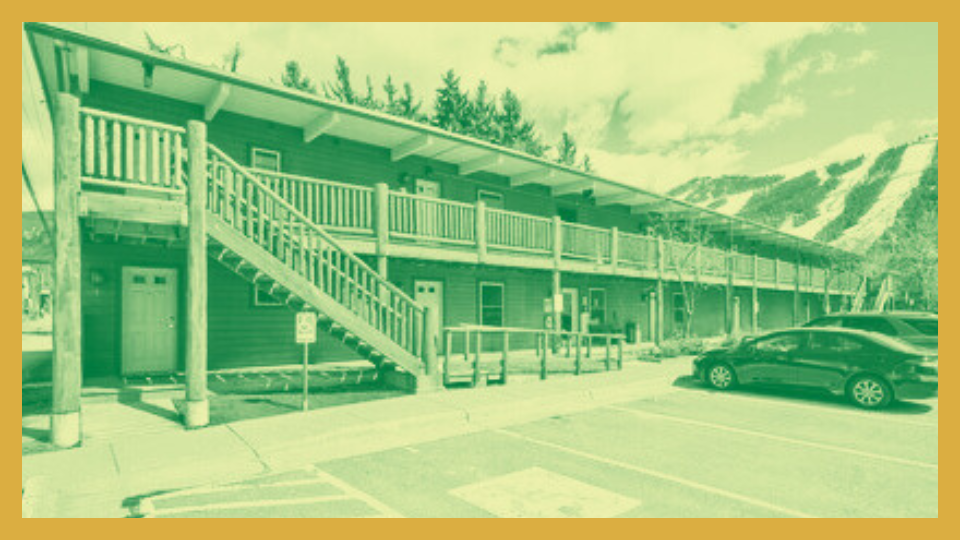
It’s a bad idea, the proposed redevelopment at 50 Millward Street. The project—a six-story hotel with three underground levels—represents a clear overreach, violating both the intent of the Town’s Comprehensive Plan and current Land Development Regulations.
The proposal seeks to exploit a loophole in the LDRs by building multiple exempt basement levels. These regulations were written with a single basement in mind; allowing three levels of “exempt” underground floor area undermines the growth management framework. Deep excavation poses a significant risk of environmentally harmful groundwater contamination. Approving this request would set a problematic precedent, opening the door to unchecked intensification across downtown Jackson.
The project imposes considerable burdens on public infrastructure. The developer, Dauntless Development, proposes a mechanized parking “stacker” in the third basement, which would accommodate 62 vehicles. This is preposterous, since the entrance to the stacked parking is a one-way alley that is frequently blocked by delivery trucks. The project calls for additional street-level valet spaces that would commandeer the public right-of-way. These plans transfer private development impacts onto public streets and sidewalks, creating safety hazards for drivers, cyclists, and pedestrians.
The site, only .34 acres in size, is located at South Millward and Pearl, and currently has 12 short-term rental condos. The proposed 66,000-square-foot hotel would feature 64 rooms, 10 residential apartments, street-level retail, a pool, and underground amenities. Nearly half of the structure would sit below ground. The density increase from a dozen units to 74 on such a small parcel is unrealistic.
This proposal arrives one year after the Town Council enacted a moratorium on large commercial buildings, responding to an overdevelopment crisis on North Cache Street. Residents voiced concerns about traffic, housing shortages, and degradation of community character. The 50 Milward Hotel proposal addresses only the minimum affordable housing requirement—five units plus two workforce apartments—while maximizing profit and density on a single downtown lot.
Allowing this project to proceed would signal that private development priorities outweigh community concerns. JHCA urges councilors to uphold the Comprehensive Plan, enforce existing regulations, and protect downtown Jackson from a precedent-setting, high-risk development.